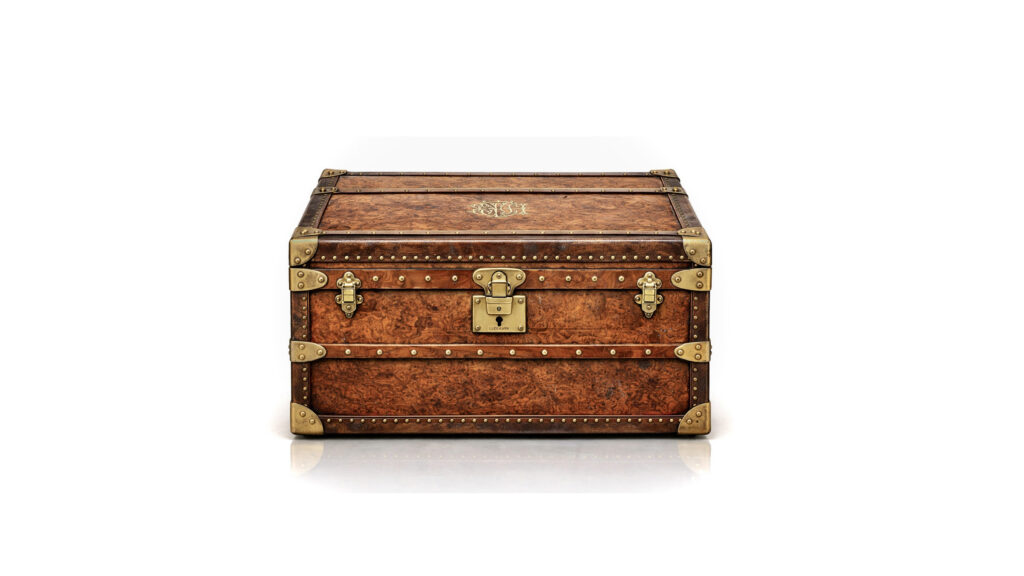
The Dressing Case
During the eighteenth and nineteenth centuries the dressing case became one of the most recognisable objects associated with travel. Designed to organise grooming tools, scent bottles and personal equipment, these fitted cases accompanied travellers across Europe and beyond.
London became one of the principal centres for the production of such objects, where specialist workshops developed a reputation for combining practicality with refined craftsmanship. Among the makers associated with this tradition was the Piccadilly house of Leuchars.
Personal Equipment for Travel
Before the development of modern bathrooms and widely available toiletries, travellers were expected to carry their own personal equipment. Grooming tools, brushes, razors and scent bottles were essential items that required protection during long journeys.
The dressing case provided a practical solution to this problem. Designed as a portable container with fitted compartments, the case allowed personal items to be organised securely while travelling.
Journeys during the eighteenth and nineteenth centuries could last days or weeks, making such equipment an important part of everyday travel.
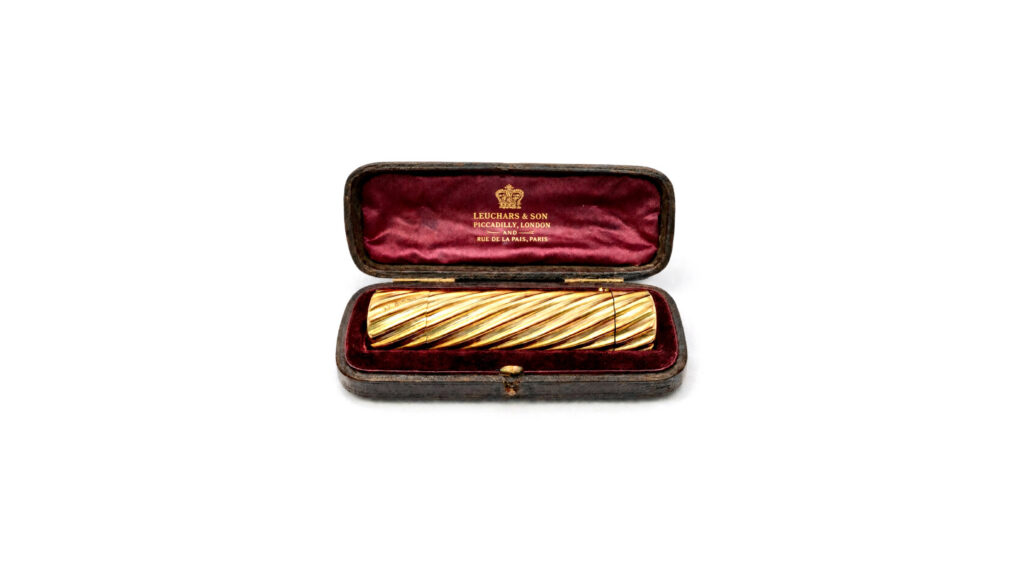
The Fitted Interior
What distinguished the dressing case from ordinary luggage was the carefully arranged interior. Compartments were designed to hold each object securely, preventing movement while the case was transported.
Typical interiors included spaces for brushes, grooming tools, scent bottles and writing instruments. The arrangement of these items reflected the Victorian fascination with order and the careful organisation of personal possessions.
When opened, the case revealed a precisely arranged interior that combined practicality with elegance.
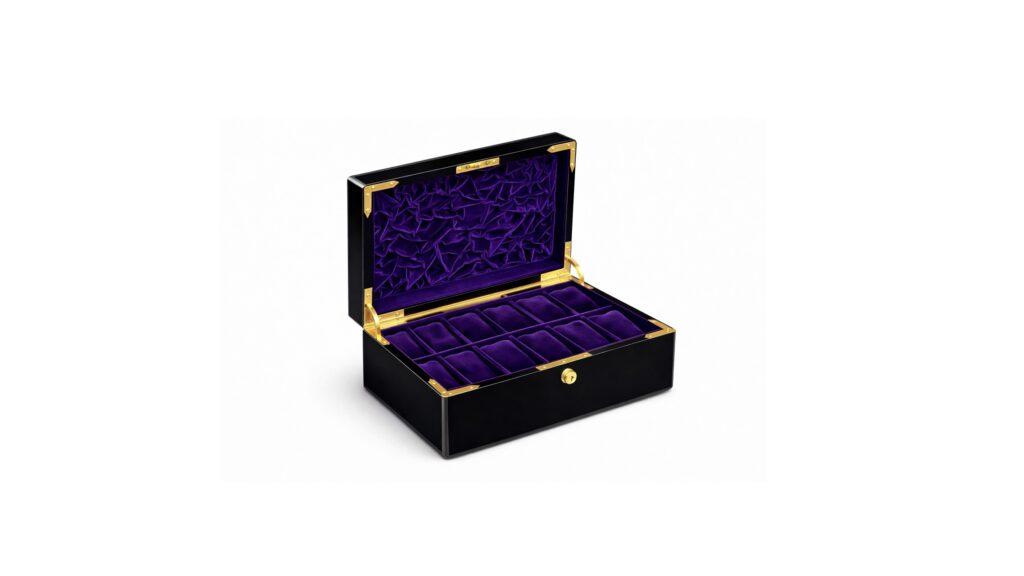
London Case Makers
London became an important centre for the production of fitted dressing cases during the eighteenth and nineteenth centuries. Specialist workshops brought together multiple crafts to produce these complex objects.
The construction of a dressing case often required the collaboration of leather workers, cabinet makers, glass manufacturers and silversmiths. Each craft contributed to the durability and refinement of the finished object.
The resulting cases were both practical travel equipment and expressions of craftsmanship.
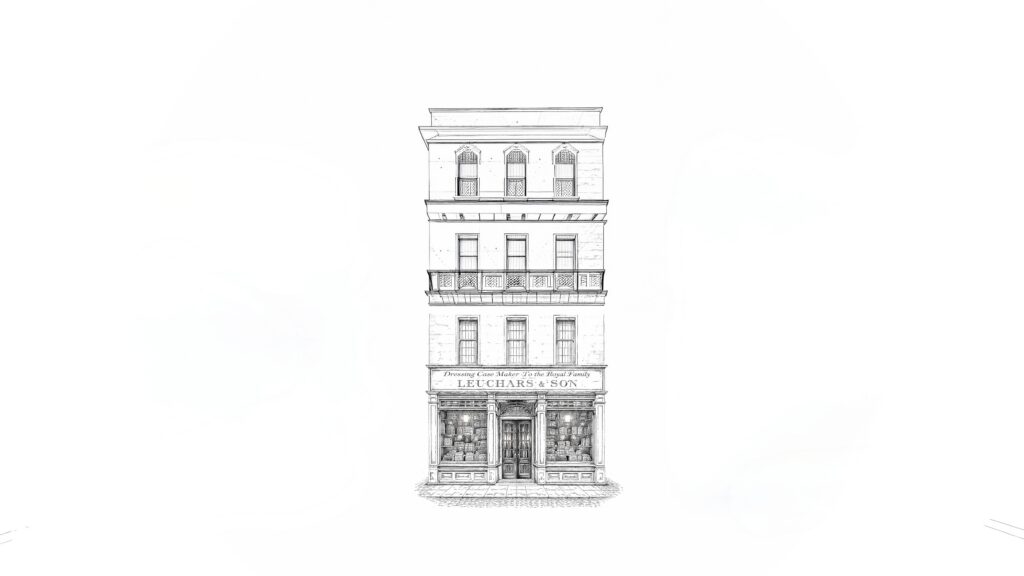
The Piccadilly Workshops
Among the London workshops associated with this tradition was the house of Leuchars, which operated from Piccadilly during the nineteenth century.
The Piccadilly address placed the workshop among the craftsmen and retailers serving travellers, diplomats and members of London society. Dressing cases produced by such houses became closely associated with the culture of travel during the period.
Visitors can explore more about this environment on the Piccadilly 1794 page.
The Legacy of the Dressing Case
Although the widespread use of dressing cases declined during the twentieth century as travel habits changed, surviving examples remain remarkable objects of craftsmanship.
Many historic cases still retain their fitted interiors, bottles and grooming tools, offering a glimpse into the practical equipment carried by travellers of earlier generations.
Today these objects are preserved and documented within the Leuchars Archive, where the traditions of London case making and fitted travel equipment continue to be studied.