The Story of Leuchars & Son London Case Makers Since 1794
The Story of Leuchars & Son
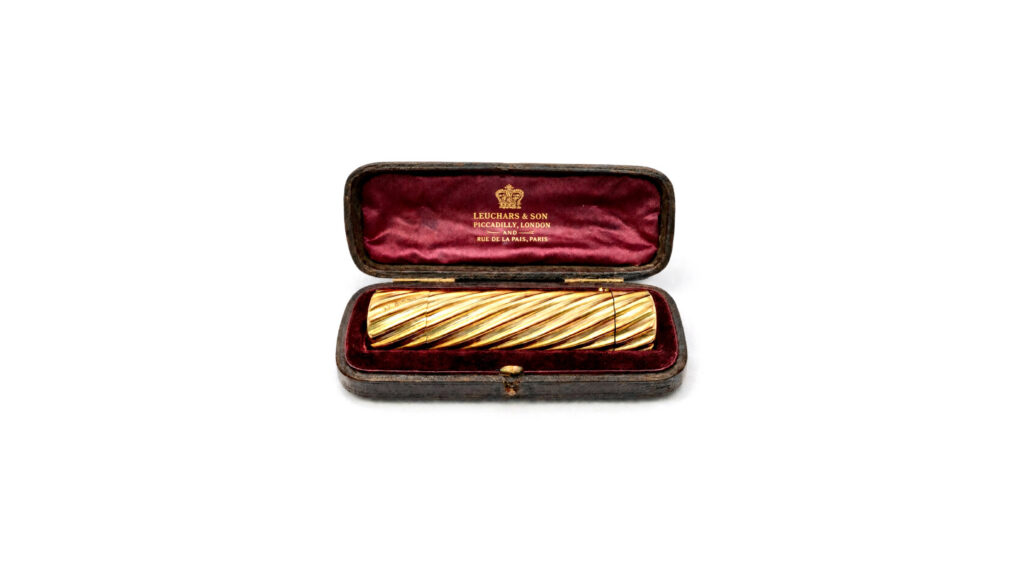
Established in London in 1794, Leuchars & Son became known for the creation of finely made dressing cases, travel cases and personal accoutrements associated with nineteenth-century travel. From Piccadilly in the heart of London’s West End, the house formed part of a world of craftsmen supplying refined personal equipment to travellers, diplomats and society.
London Case Makers Since 1794
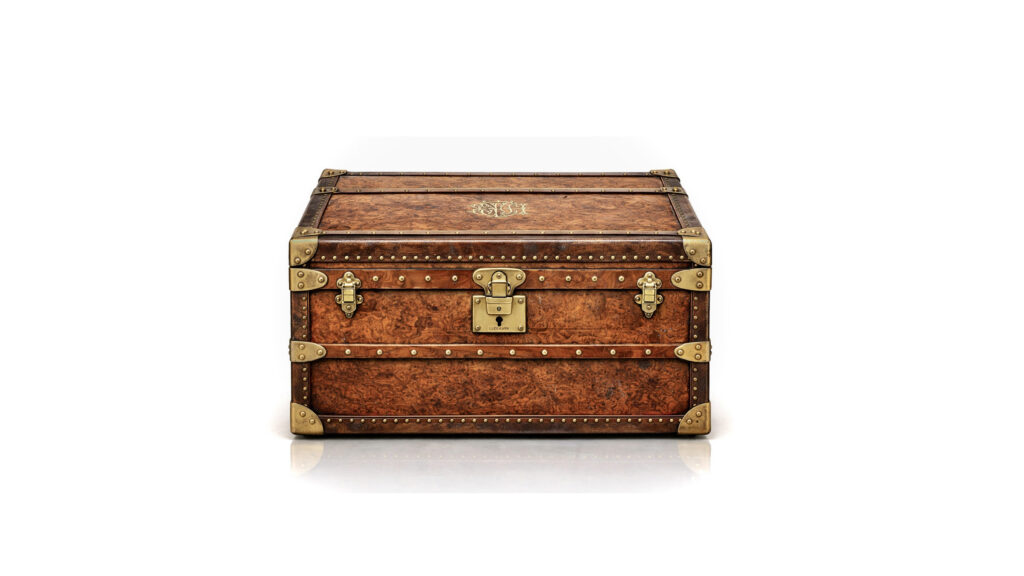
Leuchars & Son was established in London in 1794 and became associated with the specialised craft of producing fitted dressing cases and travel equipment. These objects were designed to organise and protect personal possessions during journeys that could last weeks or months.
From its premises in Piccadilly, the house developed a reputation for producing elegant and practical cases intended to accompany both travel and daily life. Interiors were carefully arranged with compartments for grooming tools, scent bottles, brushes, writing instruments and other personal accoutrements.
During the nineteenth century such fitted cases were essential companions for travellers moving between the great capitals of Europe.
The Tradition of the Dressing Case
The fitted dressing case represents one of the most distinctive objects associated with nineteenth-century travel. Designed to organise and protect personal items, these cases combined several crafts in their construction.
- Leather case making
- Cabinet work and joinery
- Glass and bottle making
- Silversmithing
- Interior fitting and lining
The result was an object that balanced practicality with refinement. Cases were designed not only to withstand the rigours of travel but also to present an orderly and elegant interior when opened.
Piccadilly
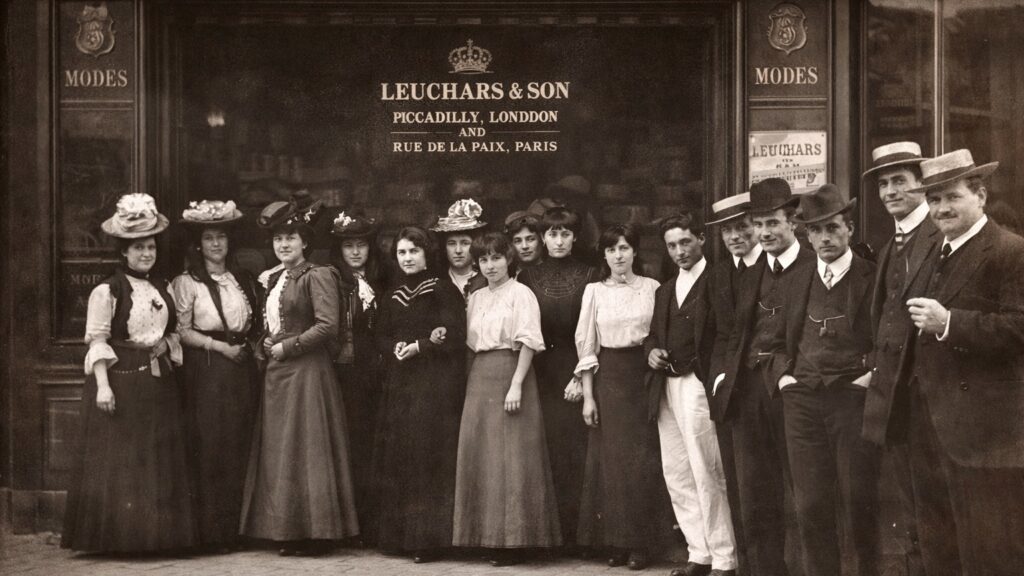
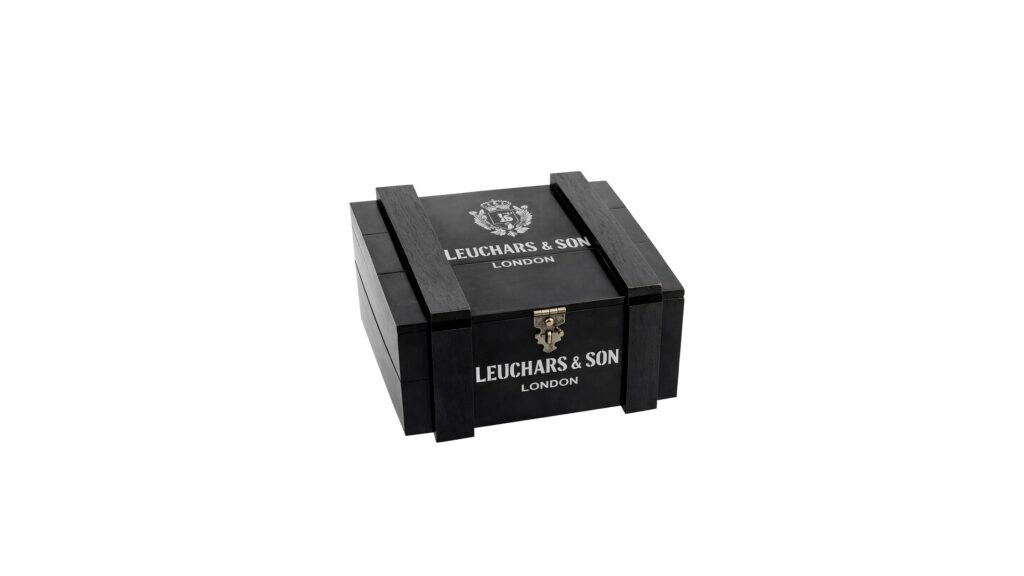
By the early nineteenth century Leuchars operated from 38 Piccadilly, one of London’s most prestigious commercial streets.
Piccadilly formed part of the West End’s luxury retail district and was home to many of the city’s most respected craftsmen and merchants. Travellers visiting London often explored these streets in search of the finest goods and equipment available.
From this address Leuchars established its reputation as a maker of fitted cases and travel accessories serving London society and international visitors.
Leuchars Paris
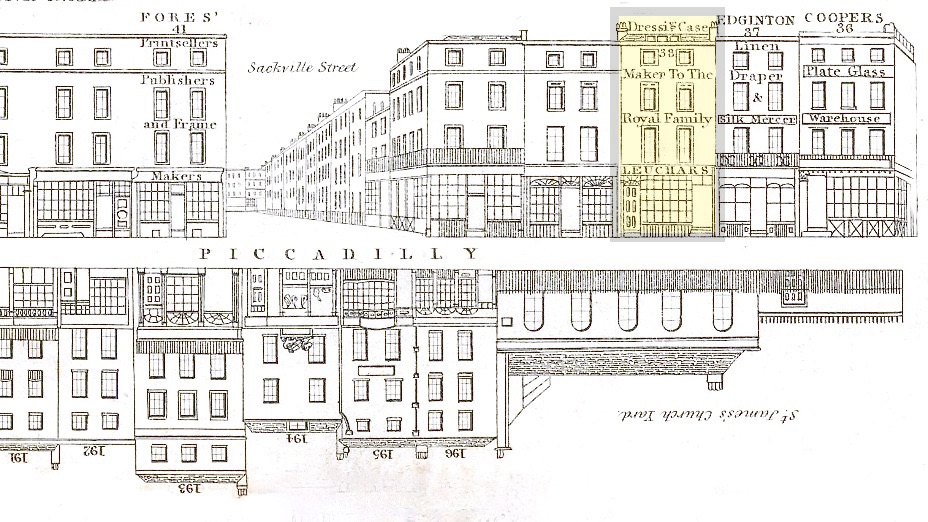
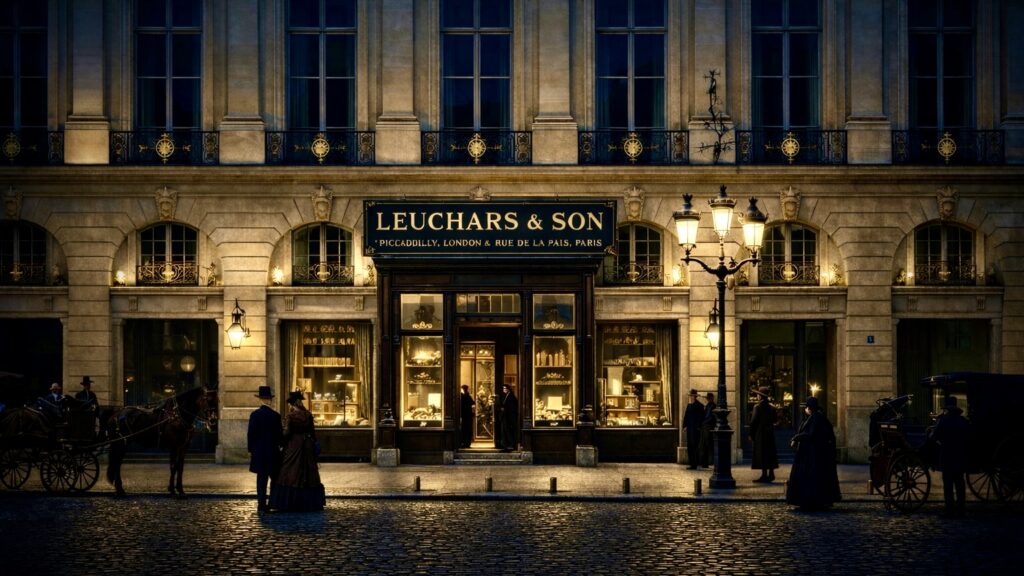
By the late nineteenth century, Leuchars & Son had established a presence at 2 Rue de la Paix, Paris, extending the house beyond Piccadilly into one of Europe’s most important centres of taste and commerce. Documented by 1877 and publicly presented in 1878 as a London–Paris house, this address reflects a sustained Paris operation through which Leuchars offered dressing cases, travelling goods and finely fitted objects to an international clientele.
Makers of Travel Equipment and Personal Accoutrements
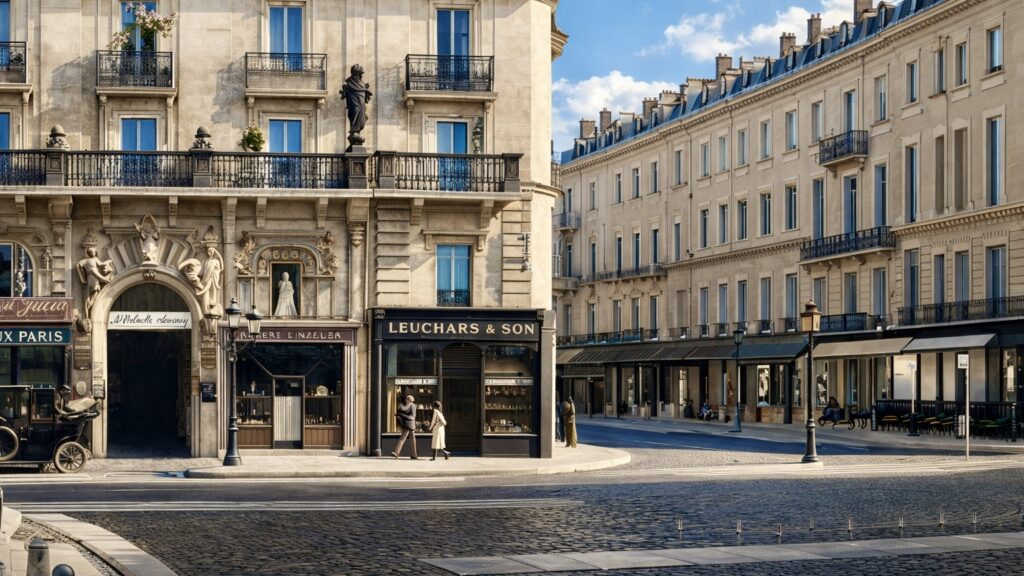
In addition to dressing cases, the house produced a variety of objects associated with personal travel and daily life.
- Travelling writing cases
- Jewellery cases
- Grooming cases
- Scent bottles
- Silver-mounted accessories
- Fitted travel equipment
These objects reflected the Victorian fascination with order, precision and the careful organisation of personal belongings.
Later History
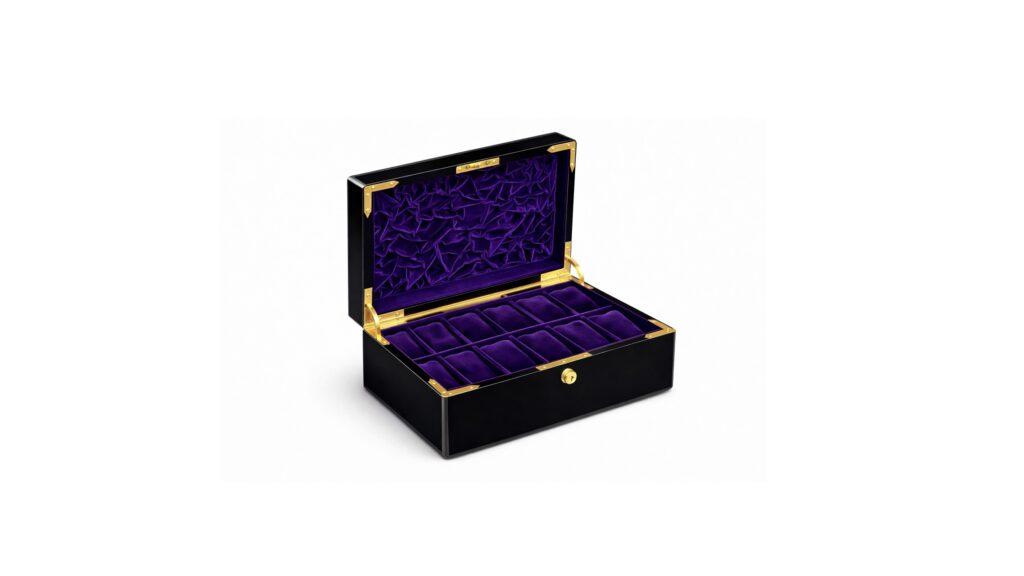
During the later nineteenth century the Leuchars manufactory was absorbed into Asprey, another well-known London luxury retailer.
As was common in the luxury trades of the period, specialist workshops were often integrated into larger houses as the industry evolved. The traditions associated with fitted cases and travel equipment continued to influence the design of luxury personal accessories produced in London.
The Leuchars Archive
Today the Leuchars name is being reintroduced through the study, preservation and restoration of historic objects associated with the house.
The Leuchars Archive documents surviving examples of dressing cases, travel equipment and related objects, helping to preserve the traditions of London case making and fitted interiors.
Through this work the legacy of Leuchars continues to inform the appreciation of historic cases and personal accoutrements.