
Evidence note. This record is based on trade-directory evidence, the Furniture History Society’s maker database, a surviving L. Leuchars object label and a contemporary official calendar identified for further inspection. It distinguishes documented facts from interpretation and does not attribute undocumented objects or personal likenesses to Lucy Leuchars.
Lucy Leuchars at 38 Piccadilly
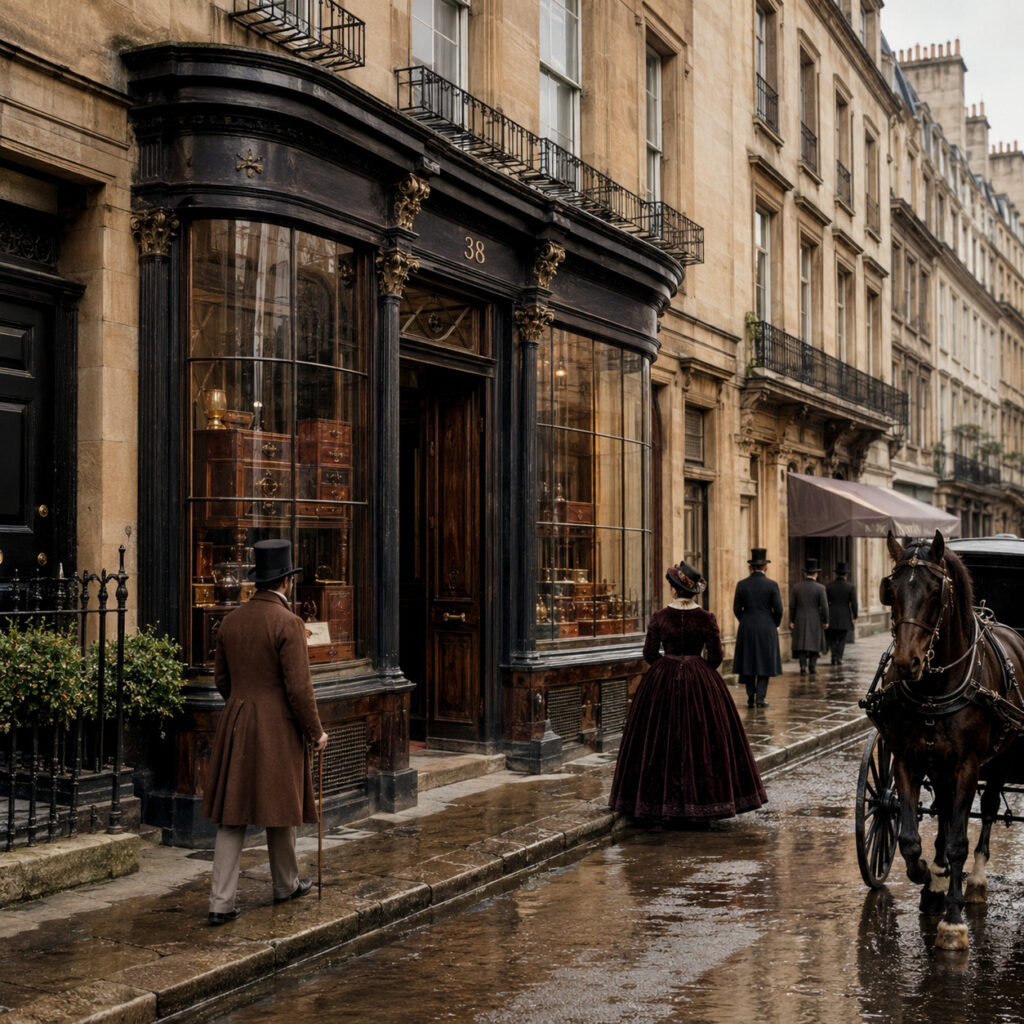
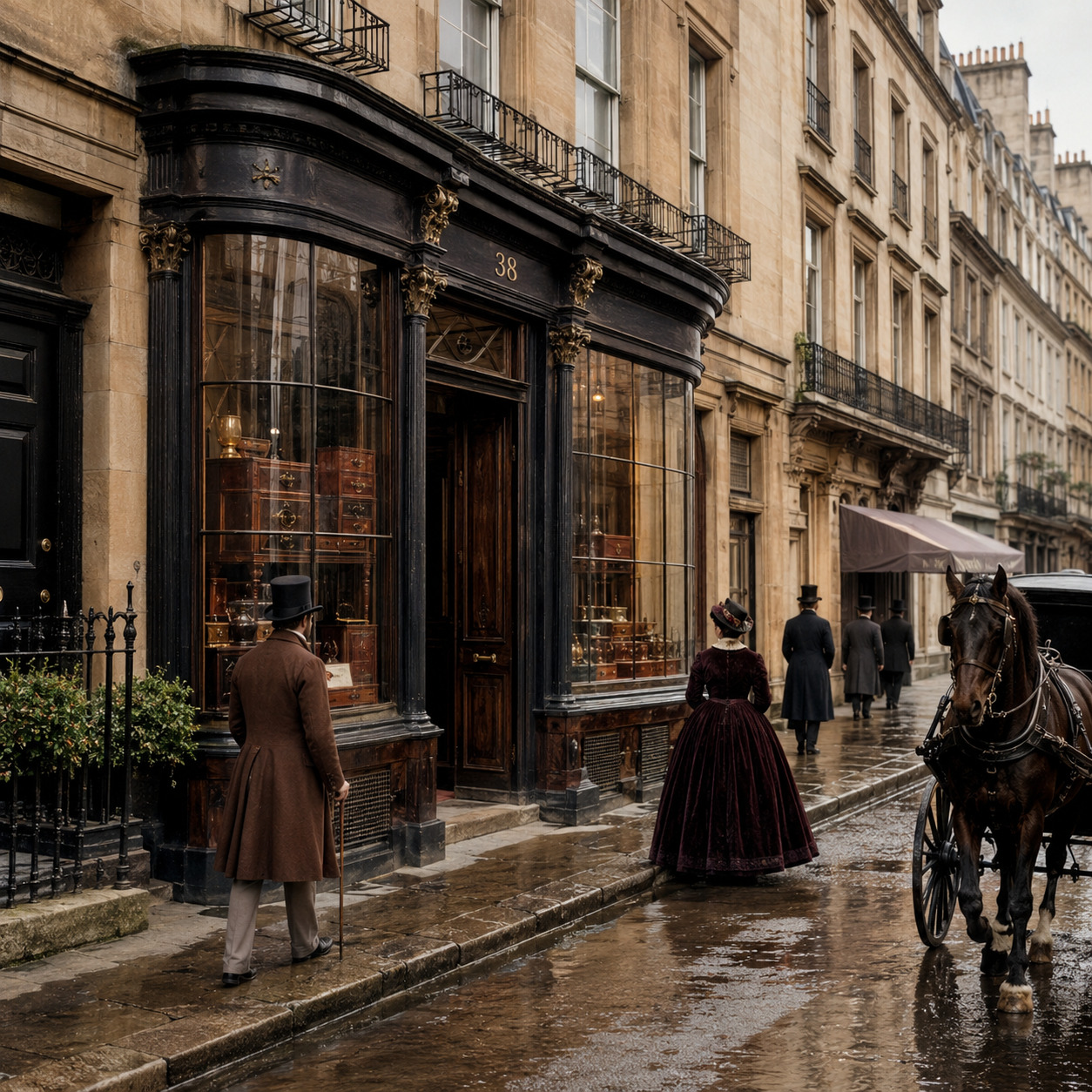
Before the exhibition medals associated with William Leuchars, the name was already visible in Piccadilly under Lucy Leuchars.
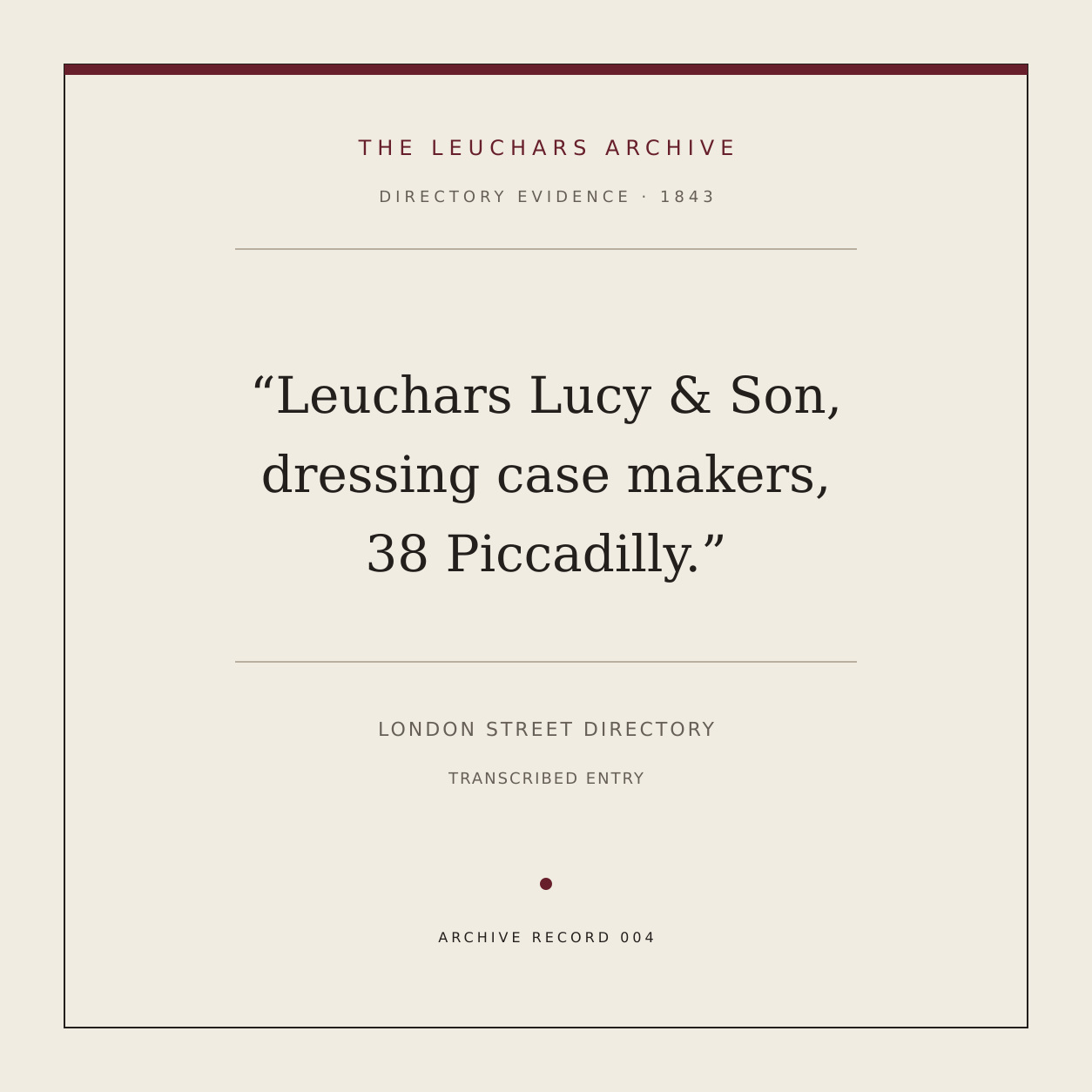
The documentary record identifies her at 38 Piccadilly as a writing-desk and dressing-case maker. British and Irish Furniture Makers Online records her activity from 1829 and notes the later directory form “Lucy (Mrs) Leuchars & Son”. A London directory transcription for 1843 is more concise: “Leuchars Lucy & Son, dressing case makers, 38 Piccadilly.”
These entries matter because they preserve more than an address. They show a specialist business trading publicly under Lucy’s own name.
Writing and dressing cases
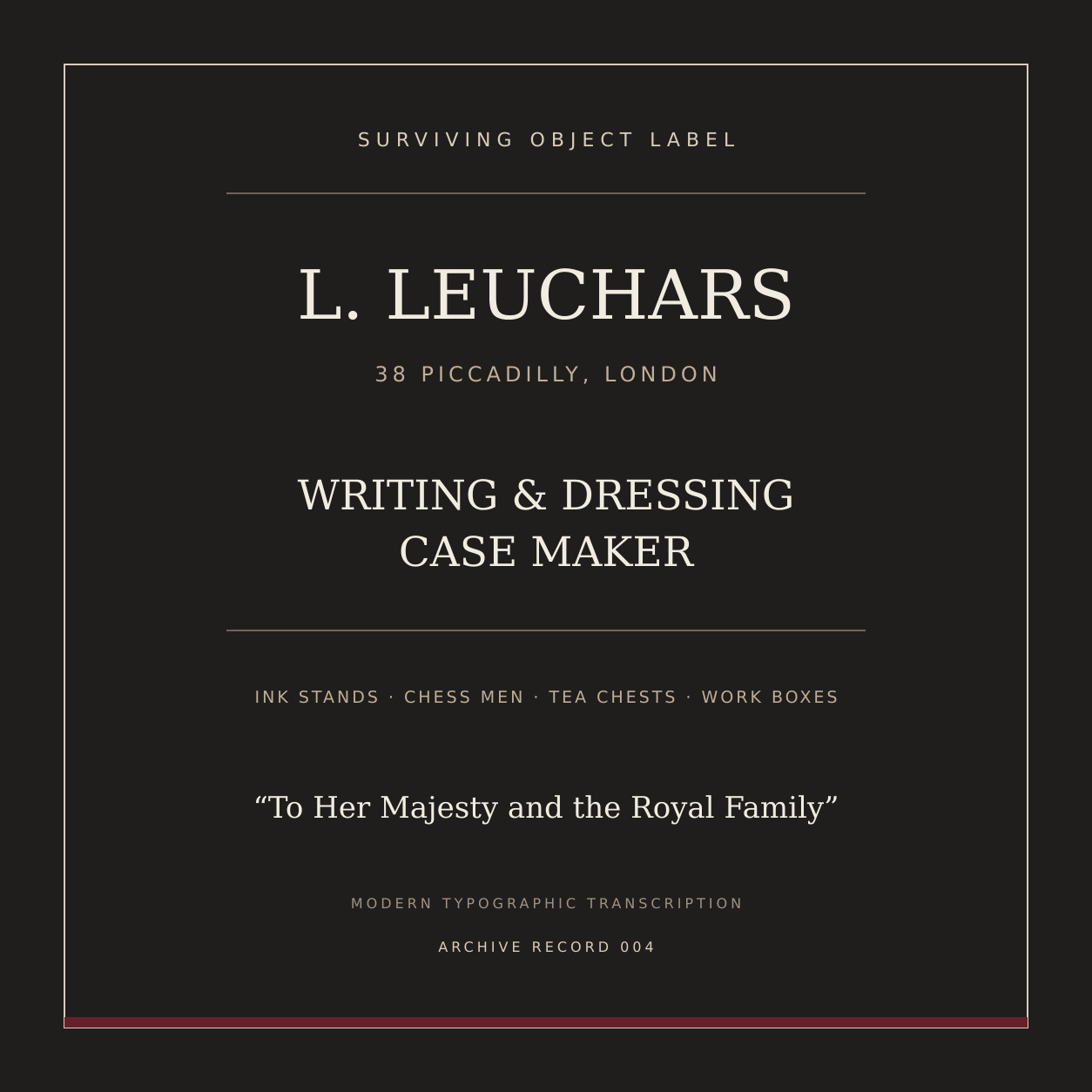
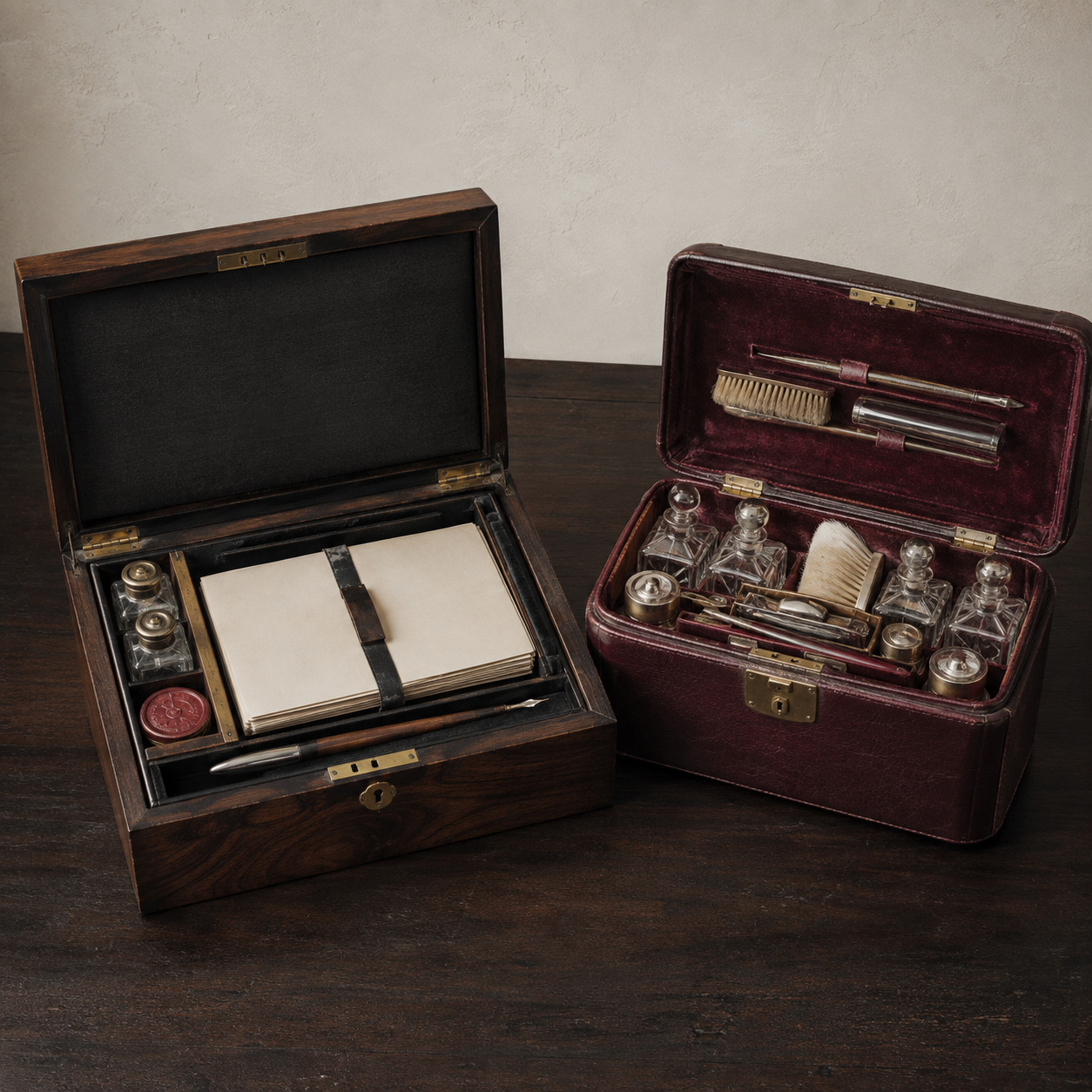
A surviving paper label provides a closer view of that commercial identity. It names “L. Leuchars” as a writing and dressing case maker at 38 Piccadilly and lists a broader group of goods: ink stands, chess men, tea chests and work boxes.
The range connects different uses through a common design problem. Whether intended for dressing, writing, games, tea or needlework, each object depended upon an outer case and an ordered interior. Compartments, containers and implements had to be arranged as one coherent whole.
This is an important early expression of the territory later recognised in Leuchars exhibition work: refinement governed by fitting, organisation and purpose.
A business under Lucy’s name
Historic businesses operated through networks of specialist makers, suppliers and retailers, and the surviving records do not identify Lucy’s personal hand in individual objects. They establish something different and equally significant: she was the named figure through whom the Piccadilly business was publicly presented.
That distinction avoids turning limited evidence into biography. Lucy can be recognised as a case maker and business operator without inventing a portrait, workshop scene or catalogue of objects personally made by her.
The addition of “& Son” in period directories records the entry of the next generation without erasing Lucy from the firm’s identity. In the 1840s, the trading name still began with hers.
The royal association
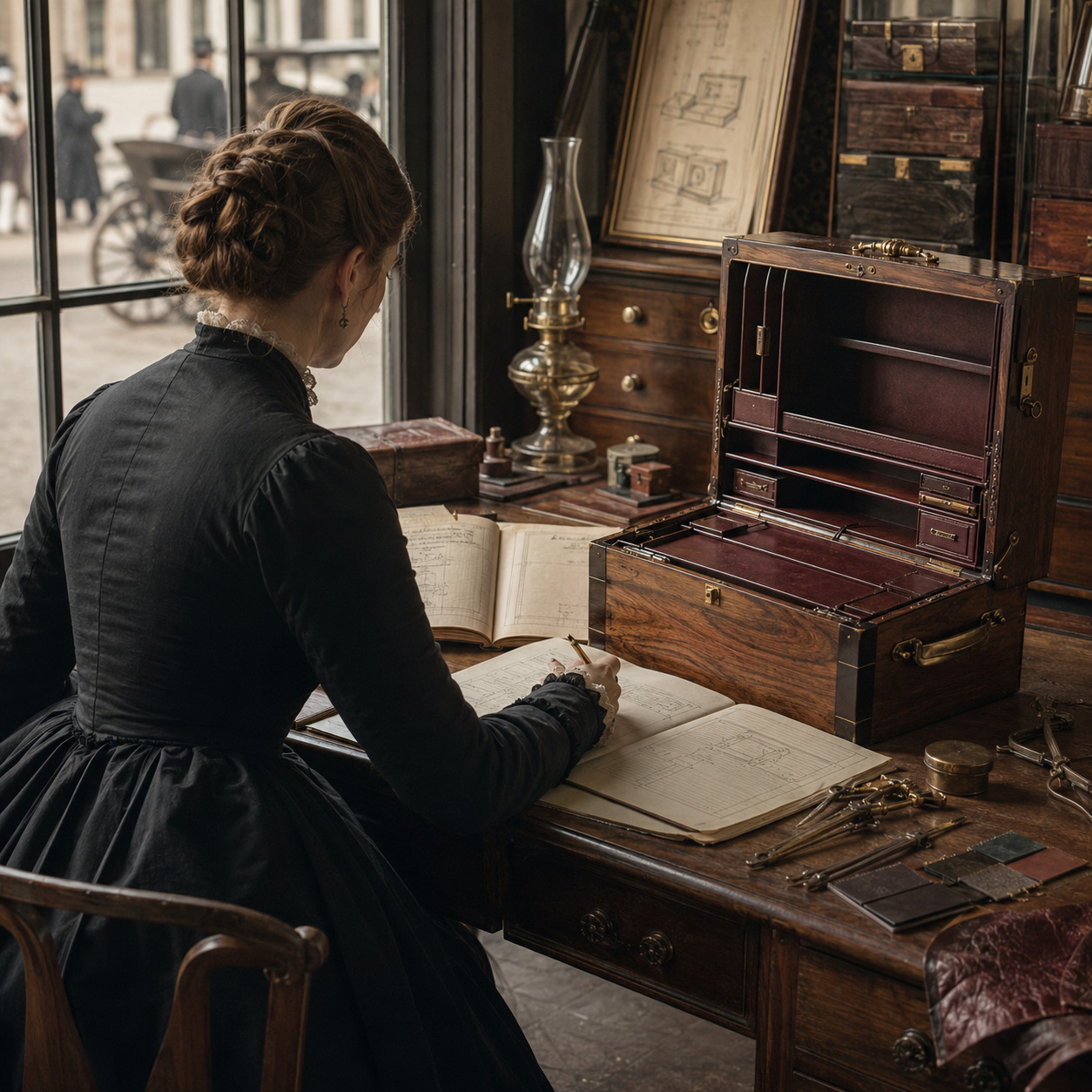
The surviving L. Leuchars label carries a crowned device and the wording “To Her Majesty and the Royal Family”. Later histories commonly date the royal appointment to 1837, the first year of Queen Victoria’s reign.
An 1843 edition of The British Imperial Calendar has been identified as a contemporary official source for the appointment, although its exact Leuchars line still requires visual transcription. Until that is completed, the label itself is the clearest object-based evidence used here.
The significance is not simply ceremonial. Royal recognition placed a maker within a highly visible culture of recommendation, supply and trust. For a Piccadilly business concerned with personal cases and fitted objects, it strengthened the authority attached to the name.
Objects organised around use
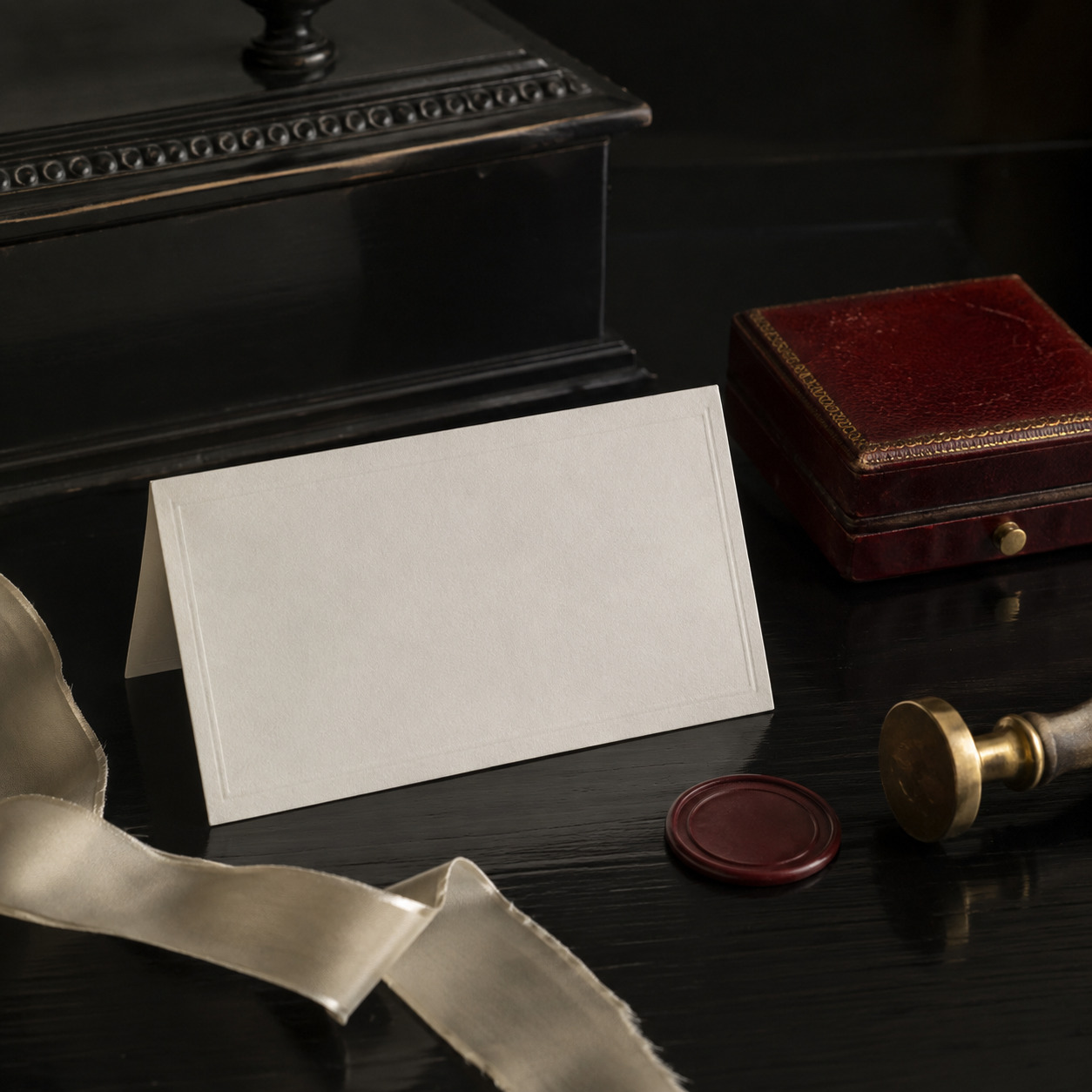
A medicine chest catalogued by the Science Museum Group and dated broadly to Lucy’s period shows the wider relevance of fitted organisation within Leuchars-associated work. Its bottles, materials and internal arrangement belong to the same practical world as the writing and dressing cases named in the documentary record.
The chest cannot presently be assigned to Lucy personally. It is valuable as context: evidence that the Leuchars name was associated with objects in which protection, order and access were designed together.
Lucy’s place in the record
Lucy Leuchars should not appear in the history merely as the space between a founder and a son. The surviving directories and label show a case-making business operating under her name at one of London’s most prominent commercial addresses.
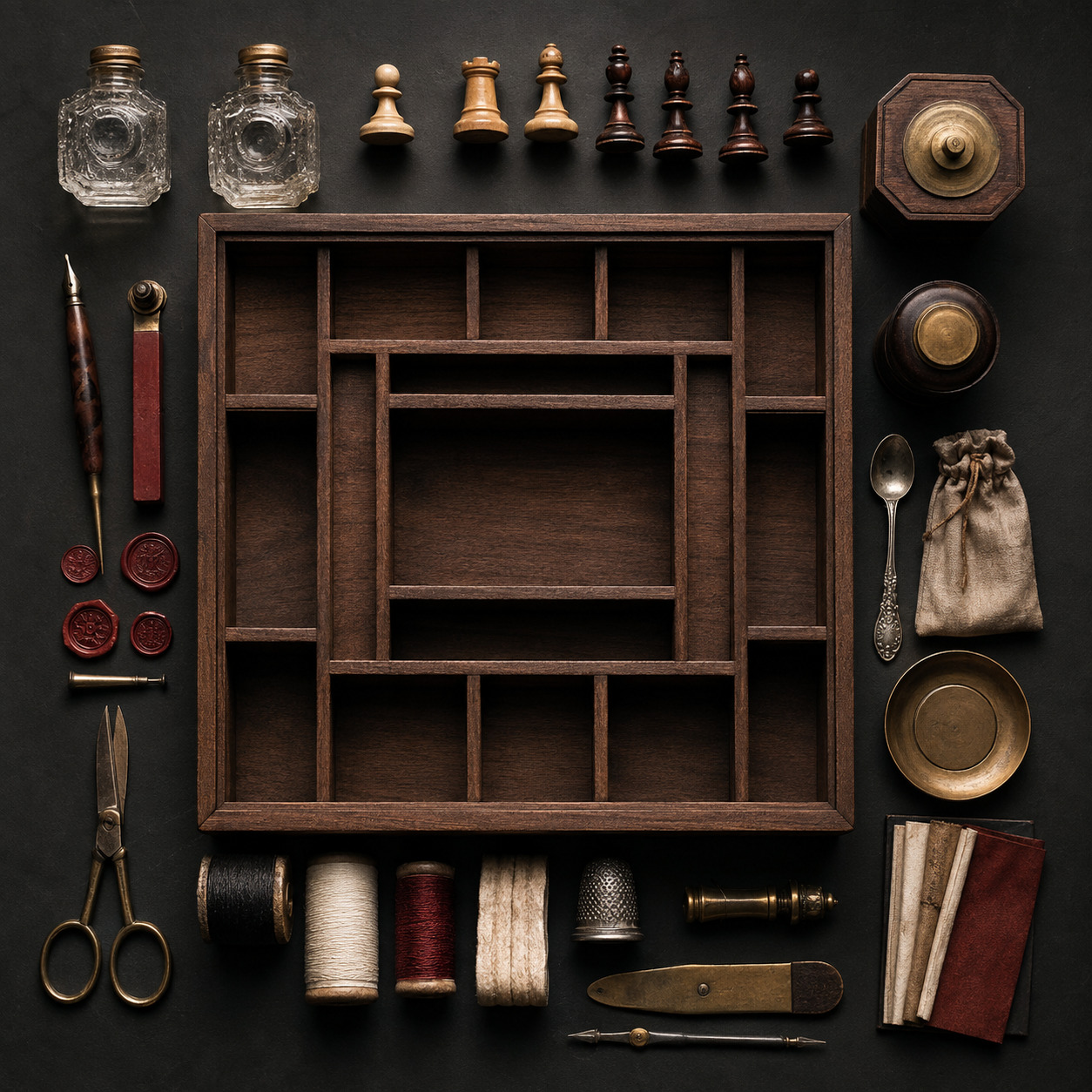
Her record gives the later exhibition story a necessary foundation. Before international juries praised Leuchars for taste, execution and solidity, the house’s specialist identity had already been shaped in Piccadilly through writing cases, dressing cases and other objects organised around use.
The present-day Leuchars house is distinct from that historic firm. The Leuchars Archive records this evidence as part of the documented history associated with the name.
